
Description
Blue-Headed Macaw Parrots
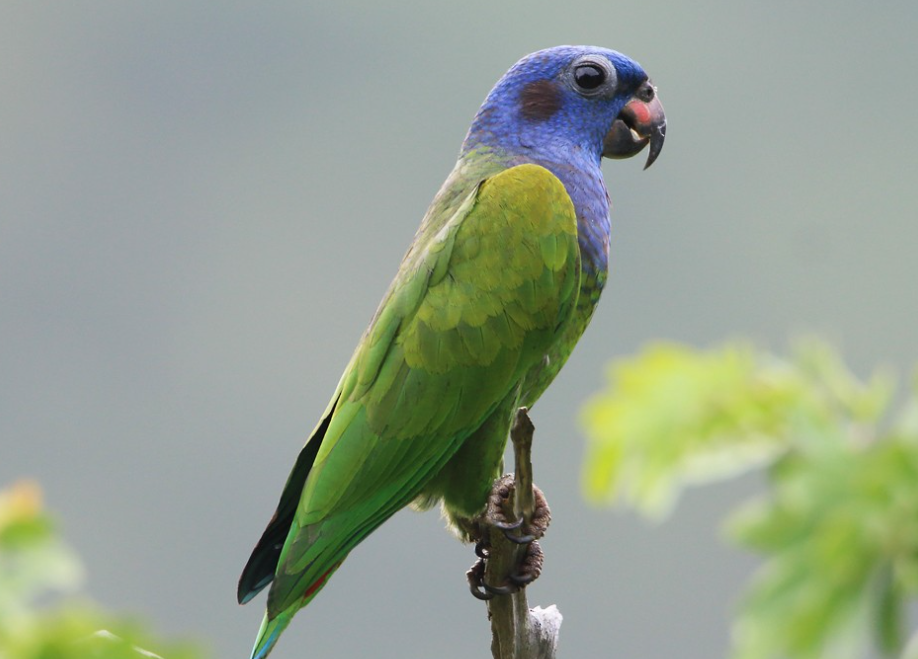
The Blue-Headed Macaw (Primolius couloni), also known as Coulon’s Macaw, is a distinctive South American parrot that stands apart from the larger members of the macaw family. Its smaller body, green plumage and attractive blue head give it a particularly elegant appearance. Although it does not possess the enormous wingspan of a Hyacinth or Green-Winged Macaw, it has many of the same intelligent and active characteristics.
Its natural distribution is centred on the western Amazon region, particularly Peru, with populations extending into neighboring parts of Brazil and Bolivia. It inhabits tropical forests, woodland edges and areas where suitable trees provide feeding and nesting opportunities.
Historically, the species has been less familiar to the general public than the larger macaws. Nevertheless, it is an important part of the biodiversity of western Amazonian forests. Its survival depends on maintaining suitable woodland environments and protecting the natural food sources found within them.
The Blue-Headed Macaw has predominantly green body feathers, with a beautiful blue head and blue flight feathers. Its tail displays reddish and greenish tones, while the facial area is relatively small and lacks the extensive bare skin seen in many larger macaw species. Its strong curved beak and agile feet are adapted for climbing and handling food.
This macaw is an active and inquisitive bird. It spends much of its time exploring branches, feeding and communicating with other members of its social group. Its smaller size does not mean it requires little attention. Like other intelligent parrots, it benefits from regular interaction, appropriate toys and opportunities to exercise.
One of its most appealing characteristics is the contrast between its green body and blue head. This gives it an appearance quite different from the familiar yellow-and-blue macaws. It is an interesting species for enthusiasts who want to understand the diversity within the macaw family.
A suitable captive environment should provide safe climbing structures, adequate space, a varied diet and consistent enrichment. As with all macaws, responsible ownership involves understanding its lifespan and behavioral needs.



Reviews
There are no reviews yet.