
Description
Yellowface Cockatiel
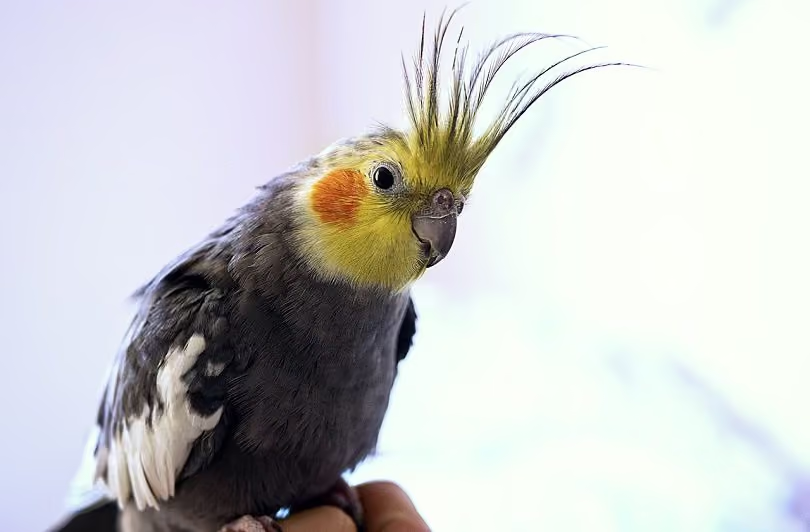
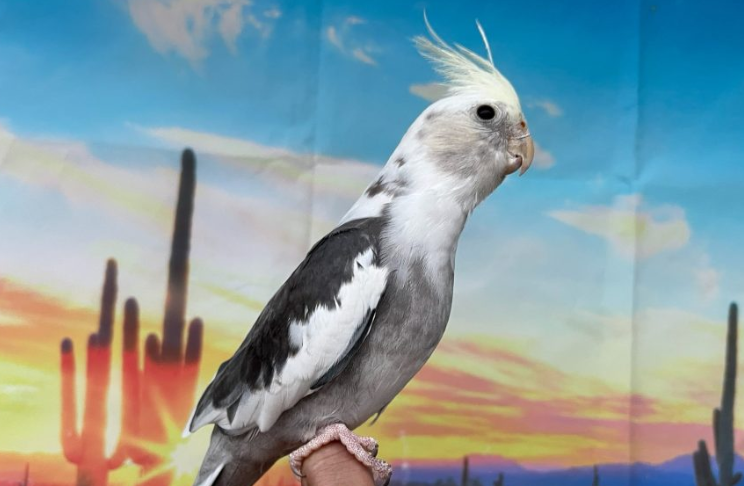
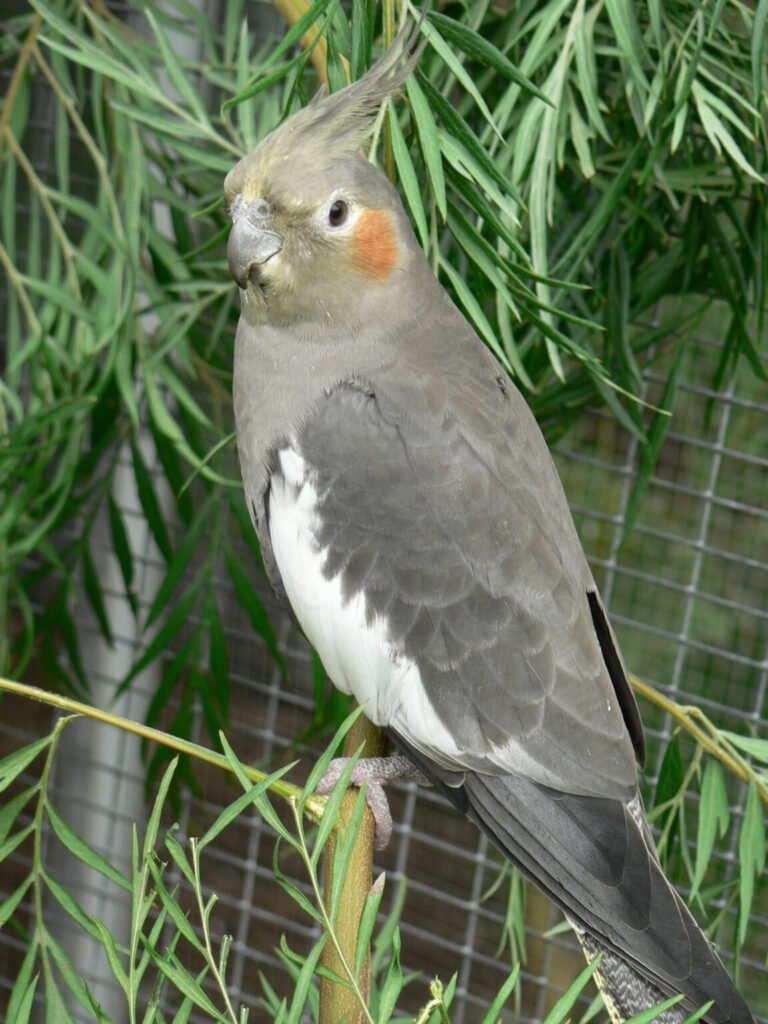
The Yellowface Cockatiel offers an attractive alternative to the familiar appearance of traditional cockatiels. Its facial coloring is one of its most noticeable characteristics, with yellow tones that give the head a bright and expressive appearance. Depending on the particular genetic variety, the yellow may be subtle and creamy or more noticeable around the forehead, crest and facial feathers.
Yellowface is a name used within cockatiel aviculture for particular color variations affecting facial pigmentation. It is important to recognise that breeder terminology can differ between countries and breeding communities, and some birds described as Yellowface may be classified under more specific mutation names. For this reason, breeders should establish the genetic background of their birds before making inheritance predictions.
The natural history of the Yellowface Cockatiel is the same as that of other cockatiels. The species originated in Australia, where it inhabits open woodland, grassland and agricultural landscapes. The Yellowface appearance was developed and maintained through selective breeding rather than coming from a separate wild population.
In everyday life, these birds can be delightful companions. They are naturally alert and enjoy paying attention to activities around them. A Yellowface Cockatiel may spend time climbing around its enclosure, investigating toys or whistling when it hears familiar sounds. With regular gentle interaction, it can learn to recognise its caretaker and become comfortable with handling.
Cockatiels are social birds, so keeping them mentally stimulated is essential. Provide opportunities for play, safe movement and interaction, while respecting the bird’s individual preferences. Never force handling, as trust develops through patience and positive experiences.
A varied diet is equally important. Quality pellets, leafy vegetables, fresh produce and suitable supplementary foods help support healthy development. Fresh water and a hygienic environment should always be priorities.



Reviews
There are no reviews yet.