

Description
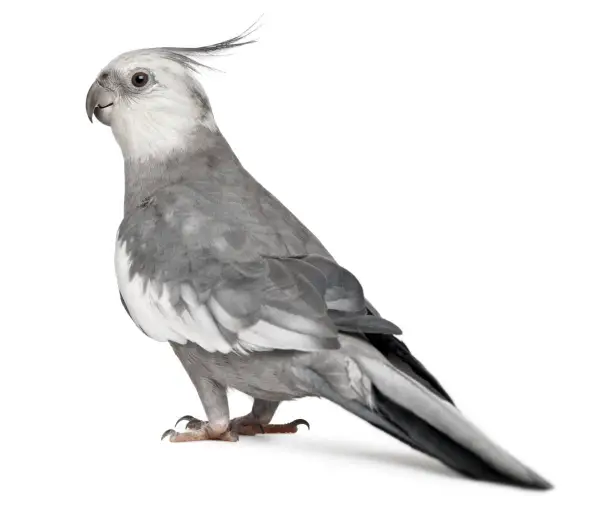
Whiteface Cockatiel
For cockatiel enthusiasts who prefer a more understated and elegant appearance, the Whiteface Cockatiel is an especially attractive variety. Its most recognisable feature is the absence of the familiar orange cheek patches found in many other cockatiel mutations. Instead, the bird displays a clean white facial area, creating a striking contrast with its grey, silver or otherwise colored body feathers.
The Whiteface mutation was established through captive breeding and is associated with the loss of yellow and orange pigmentation. This gives the bird a noticeably different expression from the traditional Normal Grey Cockatiel. Depending on the other mutations present, Whiteface Cockatiels can have completely different appearances, including dark grey bodies, lighter silver coloring or almost entirely white plumage.
In a typical Whiteface Grey, mature males develop a bright white face, while females generally retain more grey shading across their facial feathers. These differences can be useful when assessing mature birds, although DNA testing is more reliable when the bird’s sex needs to be confirmed.
Whiteface Cockatiels are known for the same engaging behavior that makes the species popular around the world. They are alert, observant birds that enjoy learning household routines and recognising familiar people. Many appreciate gentle head scratches once trust has been established, while others prefer sitting nearby and watching their surroundings.
Their communication includes soft chirps, whistles and louder contact calls. Males may develop impressive whistling routines, particularly when they are stimulated by sounds or seeking attention. Providing opportunities for social interaction helps support their emotional wellbeing.
Responsible care should include a spacious cage, safe perches of different sizes, appropriate toys and supervised opportunities for exercise. Their daily food should be varied, with formulated pellets forming a substantial part of the diet alongside vegetables and suitable supplementary foods.




Reviews
There are no reviews yet.