
Description
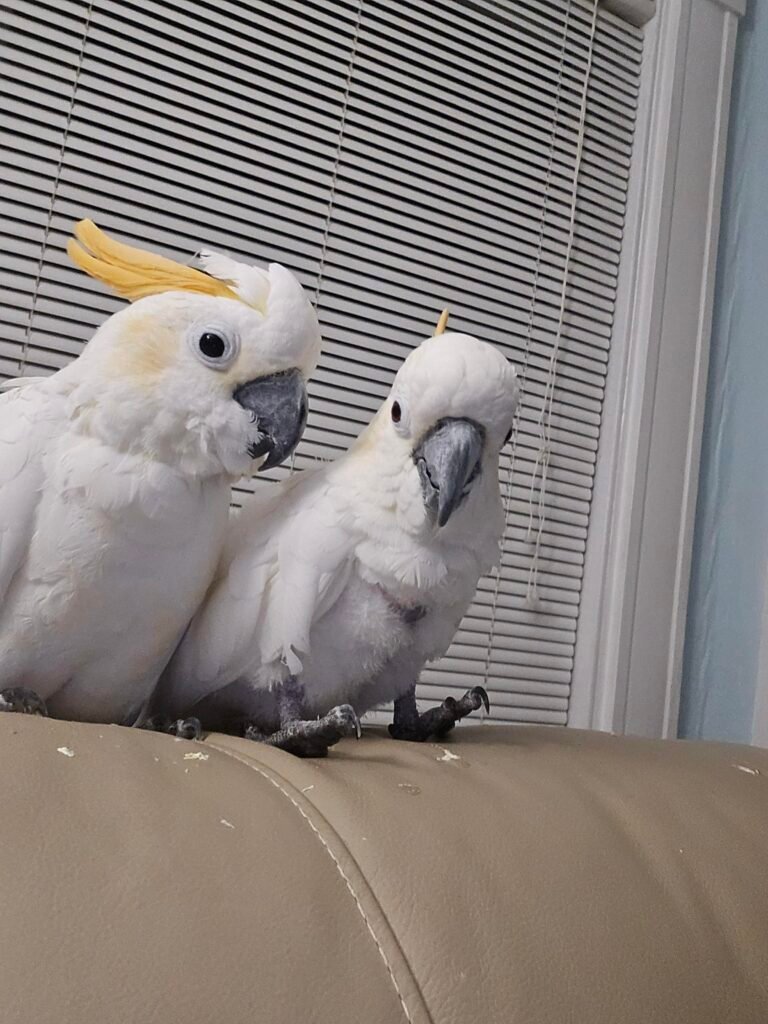
Western Corella Parrots
The Western Corella is a distinctive cockatoo native to southwestern Western Australia. Unlike the more widely distributed Little Corella, this species has a much more restricted geographical range and is closely associated with the open woodland and agricultural landscapes of the region.
Its scientific name is Cacatua pastinator. It is sometimes called the Western Long-billed Corella because of its elongated bill and facial markings. Two recognised subspecies are generally described: Muir’s Corella and Butler’s Corella, which occur in different parts of Western Australia.
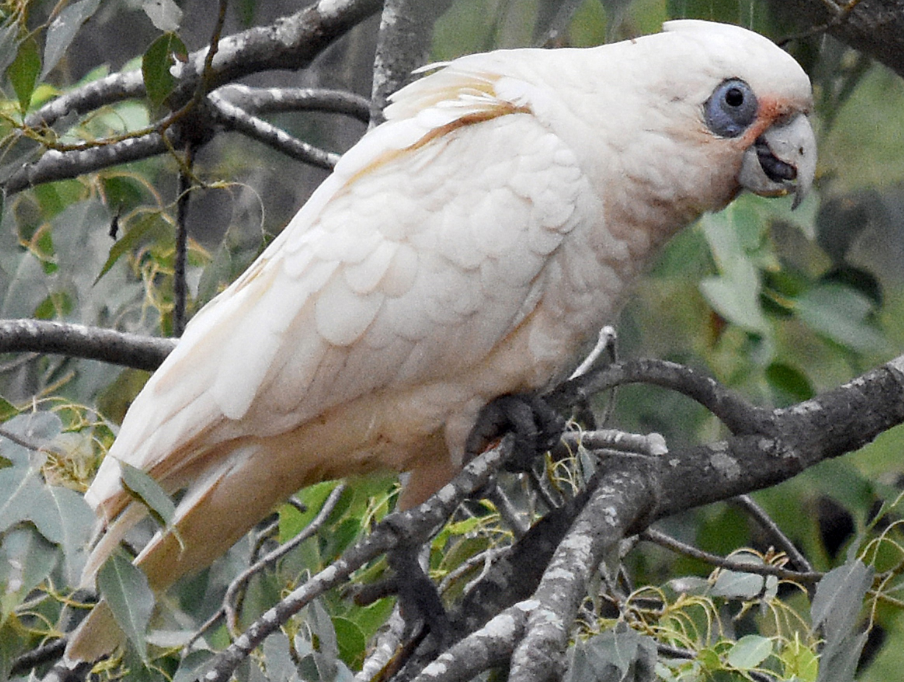
Its body is mostly white, with a noticeable salmon-pink wash around the face and throat. The elongated upper beak is one of its most useful identifying features, particularly when comparing it with other white cockatoos.
Western Corellas spend much of their time foraging on the ground. They investigate soil and vegetation in search of seeds, roots, bulbs and other food sources. Their strong bills are particularly useful for extracting underground plant material.
Social behavior is another important characteristic. These cockatoos can form groups and communicate through repeated calls while feeding and travelling. Their movements are often connected to the availability of suitable feeding areas and nesting locations.
The species depends on a combination of feeding habitat and mature trees containing nesting hollows. Agricultural development and the loss of suitable woodland can affect local populations, although conservation concerns differ between the two subspecies.
For anyone researching Western Corellas, the geographical distinction between the Western and Eastern Long-billed Corellas is particularly important. They are not simply regional color variations of the same bird.


Reviews
There are no reviews yet.