 Skip to content



Description
Pearl Cockatiel
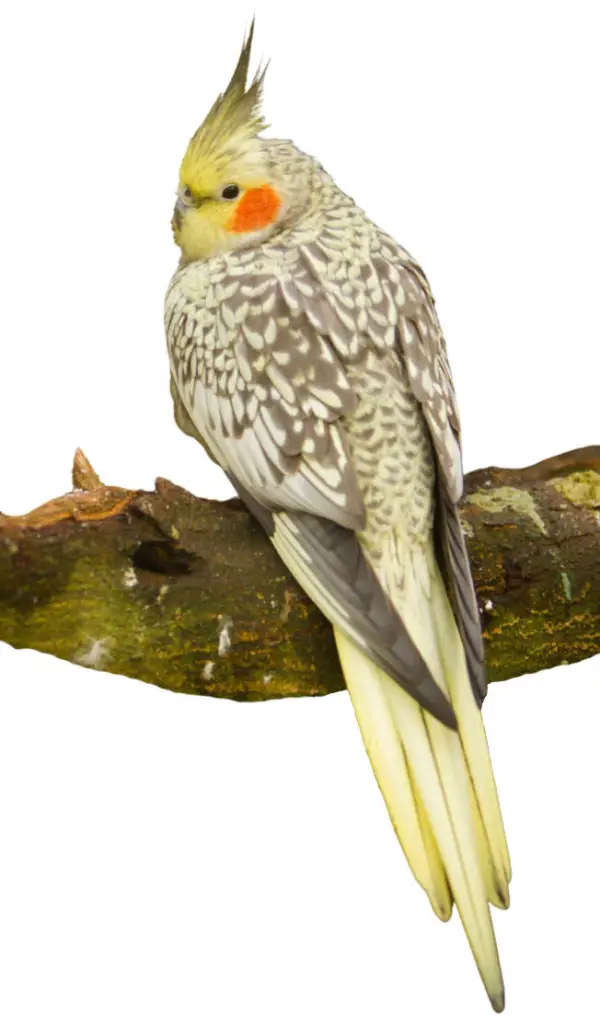
The Pearl Cockatiel is especially admired for its delicate feather markings, which create an attractive scalloped appearance across the wings, back and sometimes the body. Rather than displaying a single uniform color, this variety has rows of lighter markings that resemble small pearls carefully arranged against a darker feather background. The result is an elegant and detailed pattern that makes Pearl Cockatiels easy to appreciate.
This color mutation was developed through captive aviculture and became popular among breeders interested in producing birds with distinctive feather patterns. The pearl effect is caused by changes in pigmentation distribution within individual feathers. Depending on the bird’s other inherited mutations, the markings may appear in combinations of grey, yellow and white.
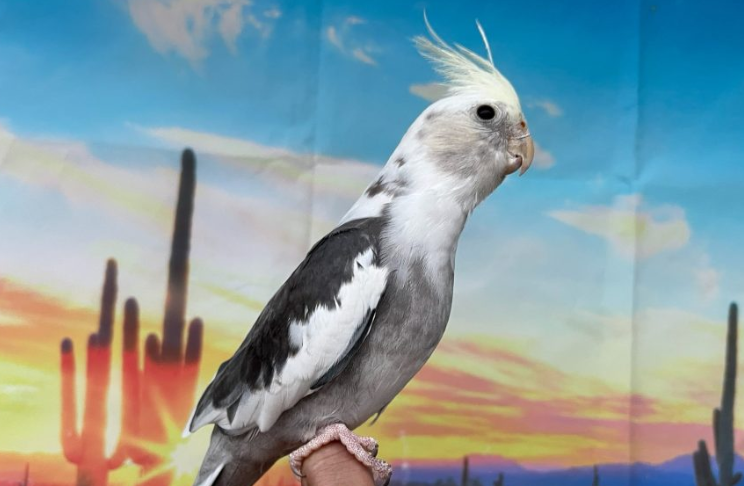
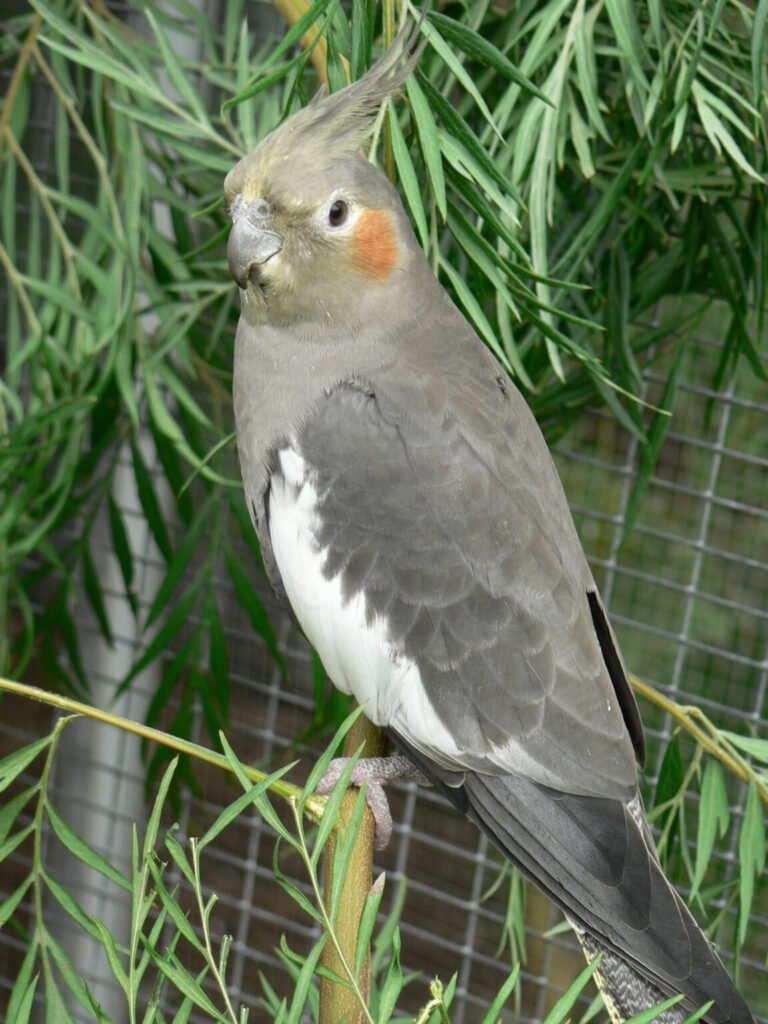
One particularly interesting feature of Pearl Cockatiels is the difference that can develop between adult males and females. In many normally colored Pearl birds, females retain their pearl markings into adulthood, while males commonly lose much of their visible pattern after their first major moult. However, other mutations and individual genetic combinations can affect the appearance, so visual sex identification is not always reliable.
In terms of temperament, Pearl Cockatiels are generally similar to other well-socialised members of the species. They enjoy companionship, respond to familiar voices and often become interested in whatever activity is taking place around them. They can be playful without being constantly demanding and appreciate having opportunities to investigate new toys and surroundings.
Their natural intelligence makes enrichment important. Rotating bird-safe toys, providing climbing opportunities and introducing simple foraging activities can help prevent boredom. Regular interaction also helps build trust, particularly when handling is introduced gradually and positively.
Pearl Cockatiels should receive a balanced diet based on quality formulated pellets, vegetables and appropriate supplementary foods. Their feathers benefit from good nutrition, access to bathing opportunities and a clean living environment.




Reviews
There are no reviews yet.