 Skip to content


Description
Orange winged Amazon Parrots
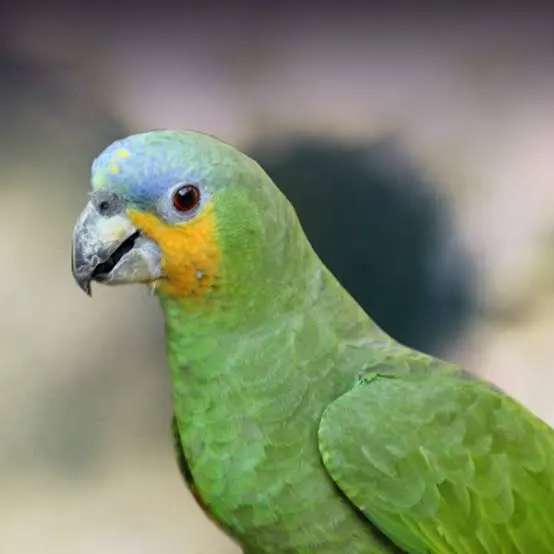
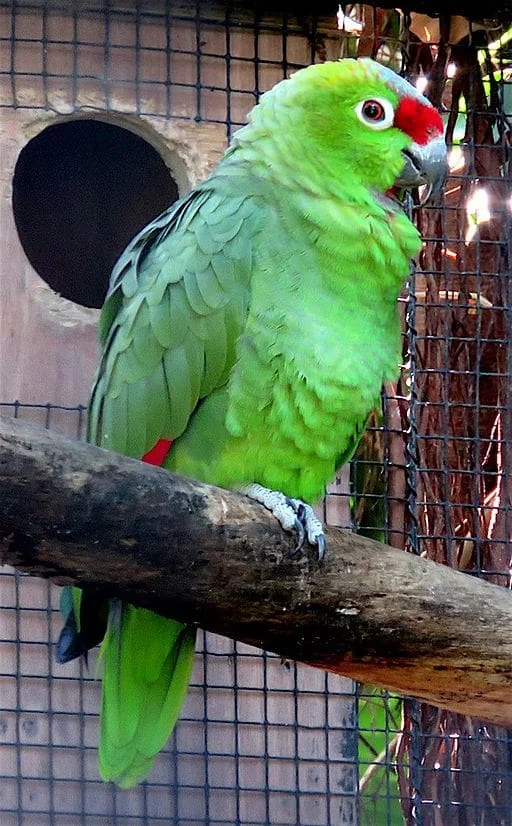
The Orange-winged Amazon Parrot (Amazona amazonica) is a well-known South American parrot recognized by the colorful orange markings visible on its wings. It occurs naturally across a broad area of northern South America, including Venezuela, Colombia, Guyana, Suriname, French Guiana, and parts of Brazil. Its natural habitats include tropical rainforests, riverine woodland, savannas, and forest edges.
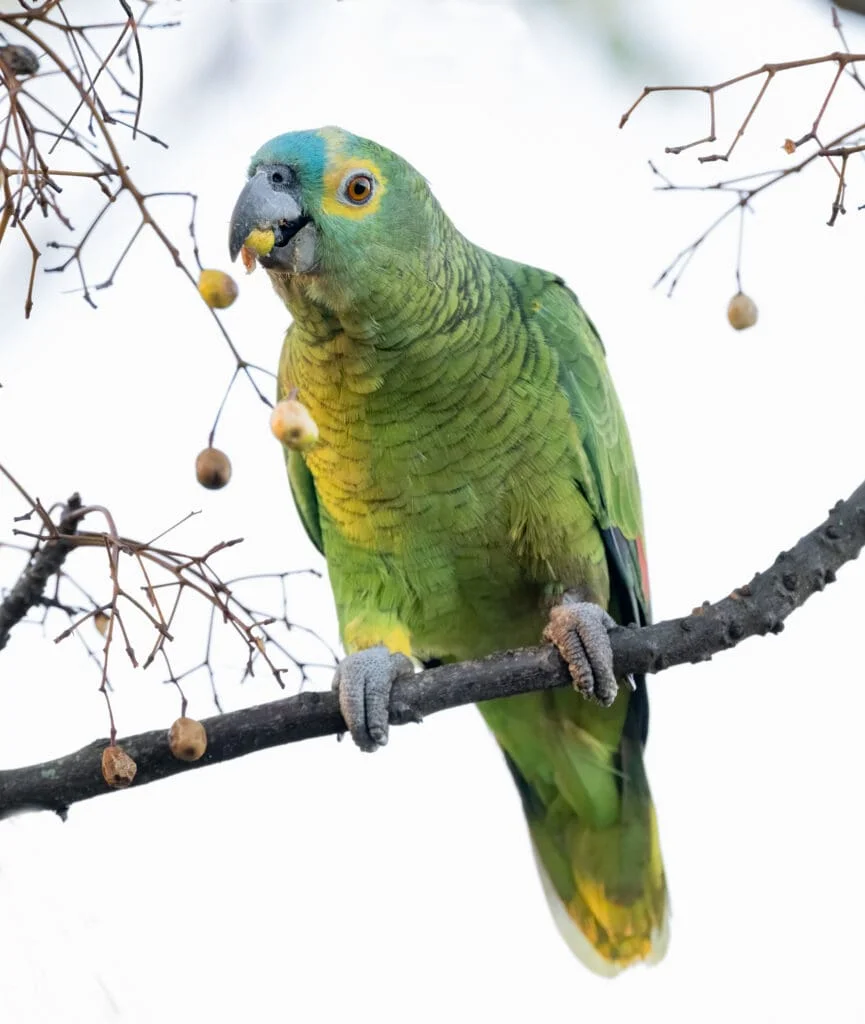
At first glance, this parrot appears mostly green, but closer observation reveals blue and yellow markings around the forehead and cheeks, together with orange coloring on the wings. These colorful details become particularly noticeable when the bird stretches or flies. Its curved beak is usually horn-colored, and its sturdy feet are excellent for climbing.
Orange-winged Amazons are naturally social and vocal. In the wild, they often travel in pairs or flocks, communicating through calls while moving between feeding and resting areas. In captivity, they need daily interaction, suitable exercise opportunities, and mentally stimulating activities.
Their diet should be varied and nutritionally balanced. Good-quality pellets can form the foundation, supplemented with leafy vegetables, carrots, peppers, fruits, and appropriate quantities of nuts and seeds.
One reason this species attracts attention from parrot enthusiasts is its adaptability and engaging personality. However, prospective owners should understand that Amazon parrots can be noisy and require consistent attention.
The Orange-winged Amazon is generally classified as Least Concern, although habitat loss and trapping remain concerns in parts of its range. Captive birds should always come from responsible, documented sources.



Reviews
There are no reviews yet.